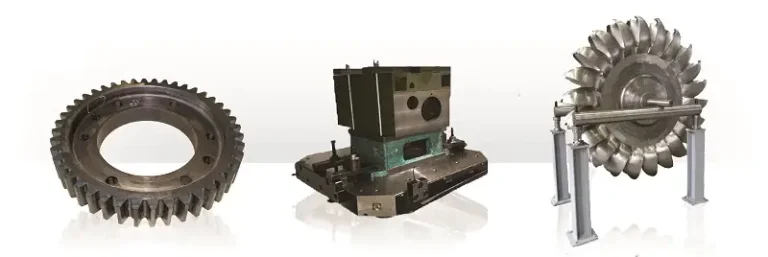
Manufacturing tolerances define the acceptable variation between the drawing and the finished part. A useful tolerance plan starts with function: identify the surfaces that locate, seal, rotate, or mate, then apply tighter limits only where the assembly needs them.
Start with function, not the tightest number
Tight tolerances increase inspection time, tool wear, setup effort, and scrap risk. They are valuable when they protect performance, but they should not be copied across every dimension by default.
Review the critical interfaces
- Datum surfaces that establish part orientation
- Fits between shafts, bearings, pins, and bores
- Sealing faces and gasket lands
- Hole patterns that control assembly alignment
- Features affected by coating or heat treatment
Typical planning ranges
The ranges below are planning references, not a replacement for a reviewed drawing or process-specific quote.
| Production need | Planning range | Typical concern |
|---|---|---|
| General machining | ±0.005 in | Cost-effective repeatability |
| Controlled feature | ±0.002 in | Stable tooling and inspection |
| Tight feature | ±0.001 in | Process capability and added cost |
Build inspection into the quote
A complete request for quote should identify material, annual volume, lot size, finish, critical-to-quality dimensions, and the documentation expected with each shipment. That information lets the supplier align the machining route and inspection plan before production begins.
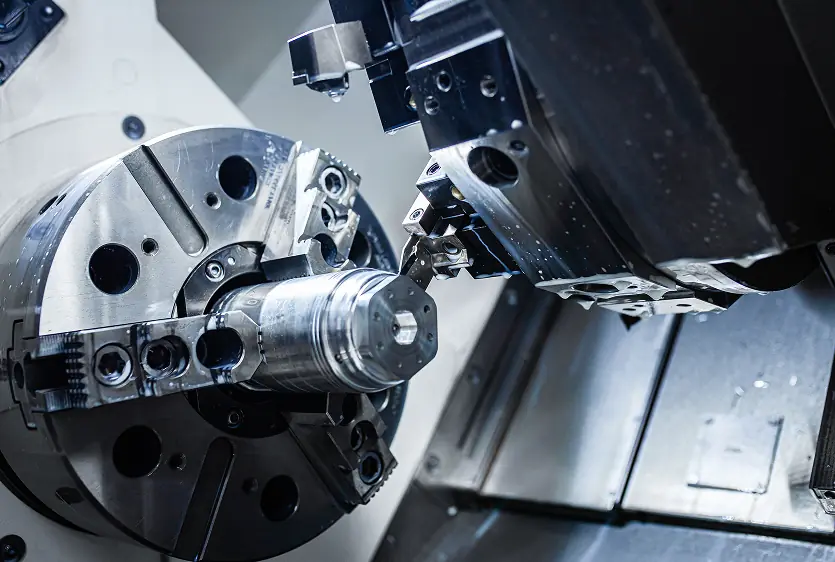
Five-axis machining can consolidate setups for complex geometry, but drawing requirements still determine the inspection strategy.
Questions to resolve before release
1. Which dimensions are truly critical to fit or function?
2. Are tolerances specified before or after coating and heat treatment?
3. What inspection method and reporting format are required?
4. Does the expected volume justify fixtures, automation, or dedicated gauging?
Clear answers reduce assumptions at quotation and make production changes easier to control.
Source: [https://redstonemanufacturing.com/cnc-machining-tolerances-explained](https://redstonemanufacturing.com/cnc-machining-tolerances-explained)