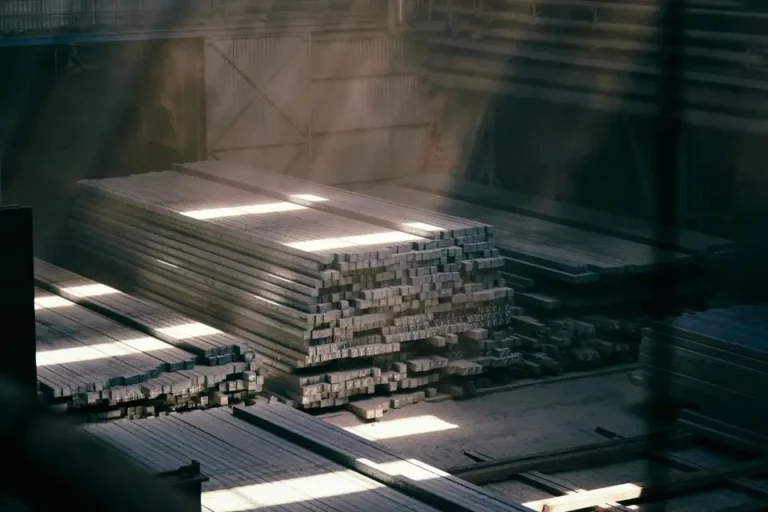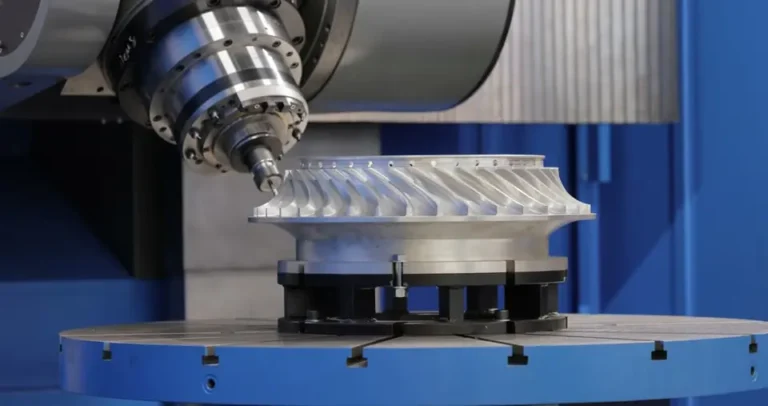
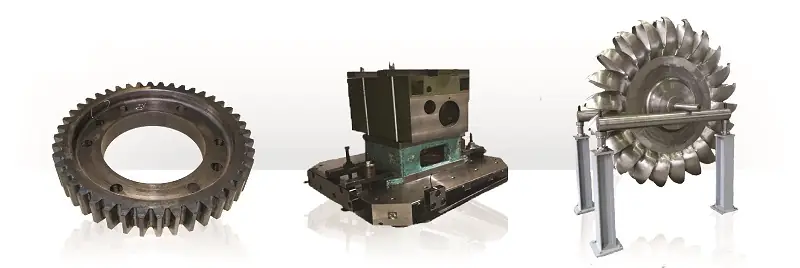
Casting forms metal close to the final geometry; machining removes material to reach the required shape and finish. The right route depends on annual volume, geometry, tolerance, alloy, tooling budget, and the amount of secondary work.
Compare the production system
Casting can reduce material waste and unit cost at volume, while machining is often faster to launch and easier to revise. Many programs use both: cast a near-net shape, then machine datums, bores, sealing faces, and other critical features.
Quote the same requirements
Give each supplier the same drawing revision, volume forecast, material, finish, quality records, and delivery target. A comparable quote should distinguish tooling, piece price, inspection, secondary operations, and freight.
Source: [https://redstonemanufacturing.com/casting-vs-machining](https://redstonemanufacturing.com/casting-vs-machining)